An incense holder is a simple yet essential tool used when burning incense sticks or cones. It helps keep the incense stable, collects ash, and protects your surfaces from heat damage.
Whether you're using incense for relaxation, meditation, or home fragrance, understanding how incense holders work can greatly improve your experience.
An incense holder (also known as an incense burner) is a device designed to safely support burning incense.
Its main functions include:
• Holding incense sticks upright or at an angle
• Catching falling ash
• Preventing burn marks on surfaces
• Enhancing the visual experience
👉 Without a holder, incense can be messy and potentially unsafe.
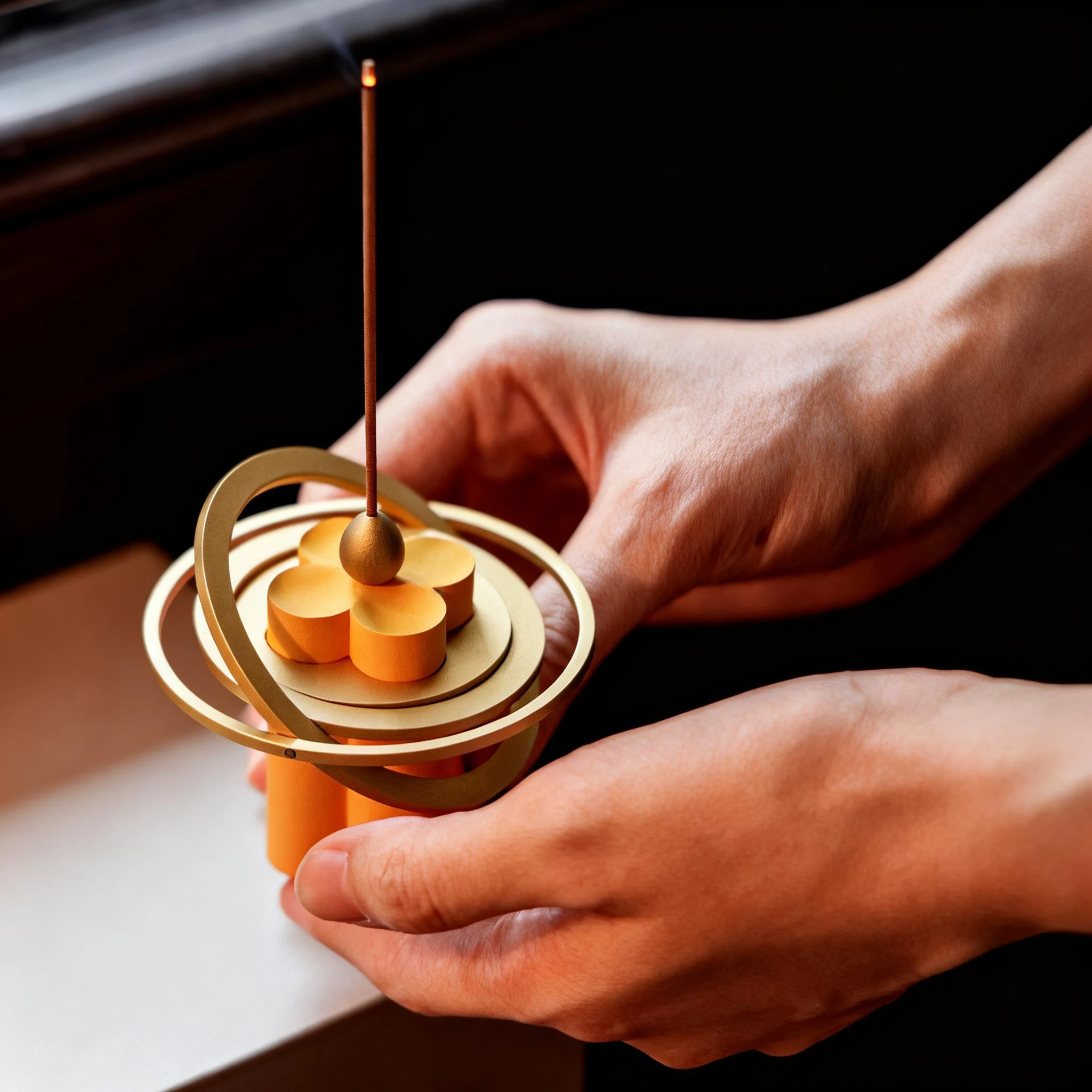
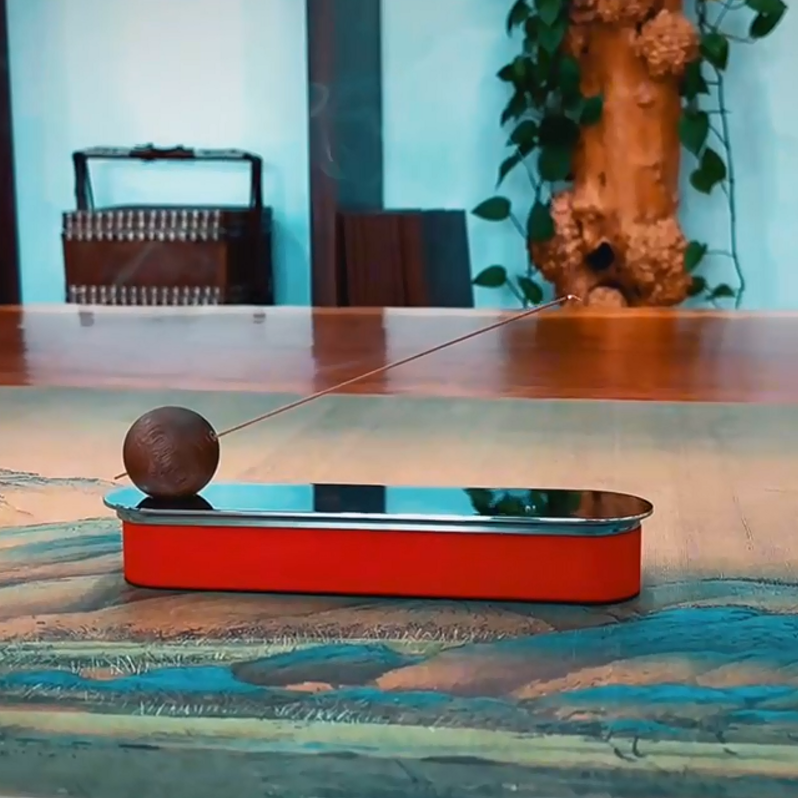
There are several types of incense holders available, each designed for different styles of incense:
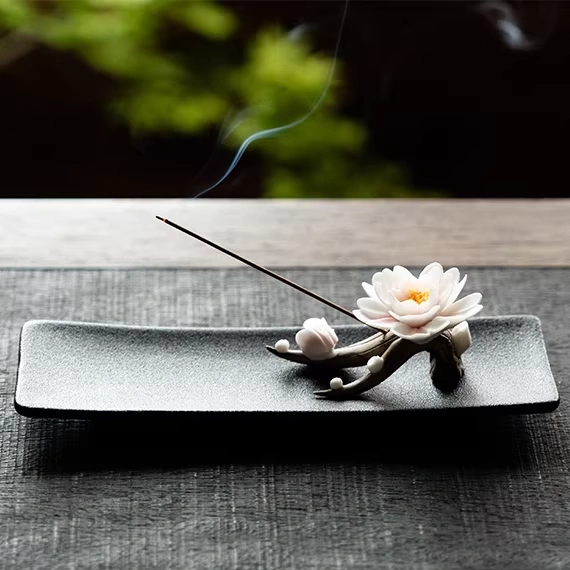
The most common type, designed for incense sticks.
• Usually long and narrow
• Includes a hole to hold the stick
• Catches ash along the surface
Used for cone-shaped incense.
• Flat or bowl-shaped
• Collects residue easily
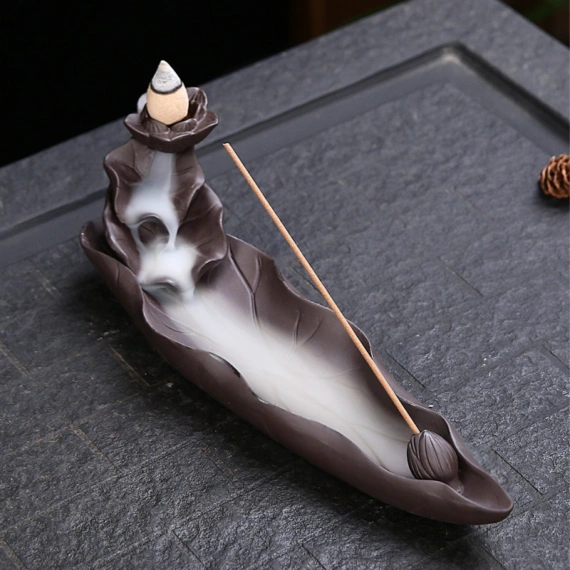
Designed for backflow incense cones.
• Creates a waterfall smoke effect
• Popular for decoration and relaxation
Enclosed holders that guide smoke through small openings.
• Cleaner burning
• Unique visual appeal
Incense holders come in a variety of materials:
Concrete
• Heavy and stable
• Heat-resistant
• Modern minimalist style
Ceramic
• Traditional and decorative
• More fragile
Wood
• Natural appearance
• Lightweight but less heat-resistant
Metal
• Durable
• Industrial aesthetic
👉 Each material offers a different balance of durability, style, and cost.
Using an incense holder provides several advantages:
✔ Safety
Prevents incense from tipping over or burning surfaces.
✔ Cleanliness
Catches ash and keeps your space tidy.
✔ Convenience
Makes incense easier to use and manage.
✔ Aesthetic Appeal
Enhances your home decor and atmosphere.
When selecting an incense holder, consider:
• Type of incense (stick, cone, backflow)
• Material (concrete, ceramic, wood, etc.)
• Stability and weight
• Design and style
• Intended use (personal or commercial)
👉 For modern brands and retailers, concrete incense holders are increasingly popular due to their durability and premium look.
It holds burning incense securely, catches ash, and protects surfaces.
While not required, it is highly recommended for safety and cleanliness.
Concrete is one of the best options due to its stability and heat resistance.
No, different holders are designed for sticks, cones, or backflow incense.
If you're sourcing incense holders for your business or brand, choosing the right manufacturer is key.
We offer:
• Custom incense holder designs
• Concrete incense holder manufacturing
• OEM & ODM services
• 15 years of production experience
• Low MOQ and global shipping
An incense holder is more than just an accessory—it’s an essential tool that improves safety, cleanliness, and overall experience.
Choosing the right type and material can make a big difference, whether for personal use or business purposes.
Whether you're building a brand or expanding your product line, we can help you create unique, high-quality incense holders.
 Contact us today for a quote.

 EN
EN