Sustainability is no longer just a marketing buzzword—it has become a defining factor in how automotive fragrance products are designed, manufactured, and purchased.
Over the past decade, consumers have become significantly more aware of the environmental impact of everyday products. Governments are introducing stricter regulations on packaging waste, retailers are setting higher sustainability standards for suppliers, and private-label brands are actively seeking manufacturing partners capable of delivering environmentally responsible solutions.
The car fragrance industry is no exception.
Traditional plastic-based air fresheners are gradually giving way to products made from recycled metals, FSC-certified paper, natural woo
d, concrete, cork, biodegradable polymers, refillable fragrance systems, and recyclable packaging. At the same time, buyers are no longer evaluating products based solely on fragrance quality or appearance. They increasingly consider material sourcing, product durability, refillability, carbon footprint, and end-of-life recyclability before making purchasing decisions.
According to the International Fragrance Association (IFRA), sustainability has become a strategic priority across the global fragrance industry, with manufacturers investing in responsible sourcing, renewable ingredients, circular product design, and improved environmental transparency. The fragrance sector continues to collaborate on measurable sustainability initiatives through joint industry reporting and internationally recognized standards.
This shift presents both challenges and opportunities.
For fragrance brands, sustainable materials create new possibilities for product differentiation, stronger customer loyalty, and long-term brand value.
For OEM and ODM manufacturers, sustainability is becoming an essential capability rather than an optional service. Manufacturers must now balance aesthetics, durability, production efficiency, regulatory compliance, and environmental responsibility throughout the entire product lifecycle.
This article explores why sustainable materials are reshaping the car fragrance industry, examines current market developments, and shares practical insights that brands can apply when planning their next fragrance collection.
The automotive fragrance market has experienced remarkable growth over the past several years, driven by increasing vehicle ownership, rising consumer interest in in-car wellness, and the growing popularity of premium lifestyle accessories.
Modern consumers no longer view a car air freshener as simply a product that masks unpleasant odors. Instead, it has evolved into an extension of personal style, comfort, and daily well-being. As a result, expectations for fragrance products have expanded beyond scent performance to include aesthetics, functionality, safety, and environmental responsibility.
Several global trends are accelerating this transformation:
Governments worldwide are encouraging manufacturers to reduce waste through recyclable materials, reusable products, and responsible packaging.
The European Union's Circular Economy Action Plan emphasizes designing products that remain in use longer, generate less waste, and support greater material recovery across industries. These policy directions are influencing packaging, product design, and supply chain decisions far beyond Europe.
For OEM manufacturers serving internaional brands, understanding these evolving expectations is becoming increasingly important.
Consumers are paying closer attention to what products are made from—not just how they look.
Increasingly, buyers ask questions such as:
• Is the product refillable?
• Is the packaging recyclable?
• Does it contain unnecessary plastic?
• Is the wood responsibly sourced?
• Are fragrance ingredients produced according to recognized industry standards?
These purchasing behaviors are particularly visible among younger consumers, who often associate sustainable design with higher product quality and stronger brand values.
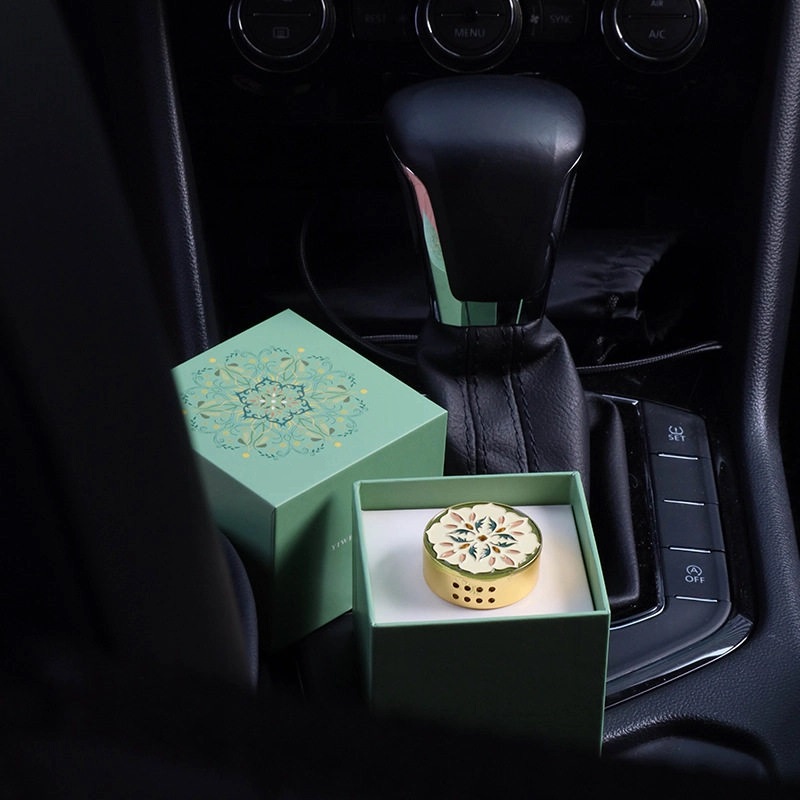
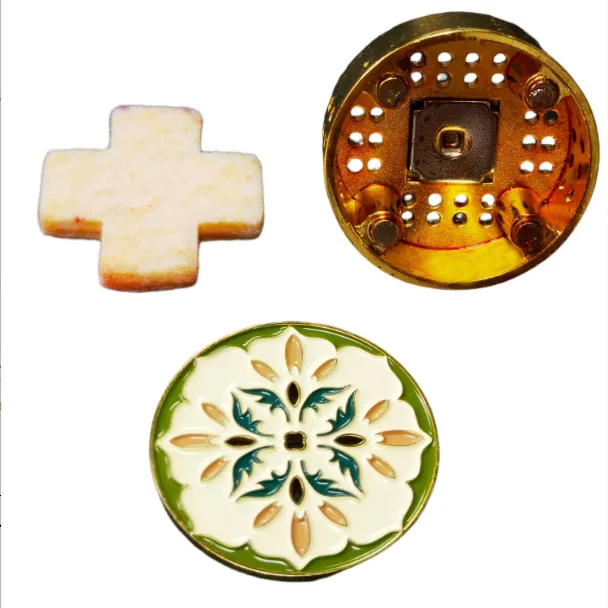
Luxury is being redefined.
Rather than emphasizing excessive decoration or disposable components, premium fragrance brands increasingly focus on:
• Natural materials
• Minimalist aesthetics
• Long-lasting construction
• Refillable fragrance systems
• Timeless product design
Materials such as concrete, solid wood, aluminum alloy, stainless steel, ceramic, and natural stone are becoming popular choices because they combine durability with a sophisticated appearance while reducing dependence on single-use plastics.
This trend aligns particularly well with automotive accessories, where consumers increasingly prefer products that complement modern vehicle interiors with understated, high-quality materials.
Today's buyers expect greater visibility into how products are made.
Professional buyers increasingly request information about:
• Manufacturing standards
• Material certifications
• Environmental compliance
• Packaging sustainability
• Factory quality management
• Social responsibility practices
As a result, OEM manufacturers are no longer evaluated solely on production capacity or pricing. Transparency, traceability, and sustainable manufacturing capabilities are becoming equally important competitive advantages.
What was once considered an optional product feature has rapidly become a core purchasing criterion across much of the global fragrance market.
Rather than asking "Should we develop sustainable products?", many brands are now asking:
"How quickly can we transition our product portfolio toward more sustainable materials without compromising quality, design, or profitability?"
The answer increasingly depends on choosing manufacturing partners that understand both evolving market expectations and practical production realities.
For many years, sustainability was often viewed as a corporate responsibility initiative—a way for brands to demonstrate environmental awareness. Today, however, sustainable materials have become a strategic business advantage that influences purchasing decisions, product positioning, regulatory compliance, and long-term brand value.
In the automotive fragrance industry, consumers increasingly expect products to deliver more than an enjoyable scent. They also expect thoughtful design, responsible material choices, and products that align with their environmental values.
According to the International Fragrance Association (IFRA), sustainability is now a key driver of innovation across the fragrance industry. Manufacturers are investing in renewable raw materials, responsible sourcing, improved traceability, and circular product design to reduce environmental impact while maintaining product quality. These initiatives are reshaping how fragrance products are developed and manufactured worldwide.
For OEM and ODM manufacturers, sustainability is therefore no longer an optional product feature—it is becoming part of the value proposition offered to global brands.
Traditional car air fresheners were primarily designed for convenience and low production cost. Most consisted of disposable plastic housings combined with synthetic fragrance carriers, resulting in products that were difficult to recycle and intended for short-term use.
Today, purchasing priorities are changing.
Instead of replacing an entire air freshener every few weeks, many consumers prefer durable diffuser housings that can be paired with refillable fragrance tablets, aroma stones, or essential oil bottles.
This transition offers several advantages:
• Reduced plastic waste
• Lower long-term ownership cost
• Higher perceived product quality
• Stronger customer retention through refill sales
• Improved brand image
For brands, refillable systems also create recurring revenue opportunities while supporting sustainability goals.
Rather than relying on a single "eco-friendly material," manufacturers are combining multiple sustainable materials to improve product performance, aesthetics, and environmental impact.
Below are some of the materials that are increasingly shaping the future of car fragrance products.
Aluminum has become one of the most popular materials for premium car vent diffusers.
Why brands choose aluminum
• Lightweight yet highly durable
• Corrosion-resistant
• Premium metallic appearance
• Infinitely recyclable without significant loss of quality
• Suitable for precision machining and anodized finishes
Unlike many plastics, aluminum can be recycled repeatedly, reducing demand for virgin raw materials when effective recycling systems are in place.
For premium automotive interiors, aluminum also complements the design language of many modern vehicle brands.
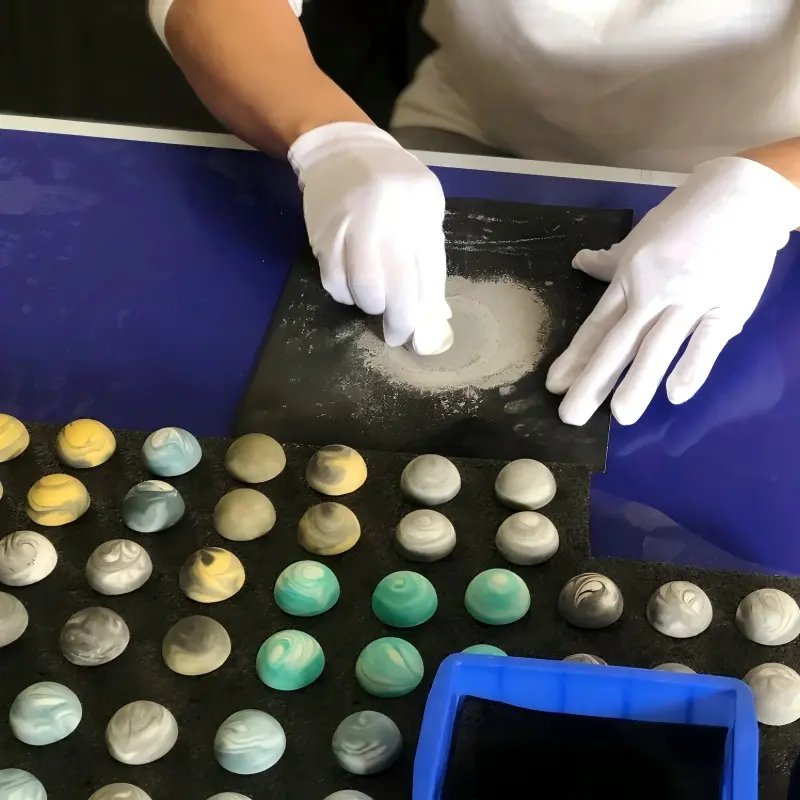
Concrete has emerged as an innovative material within the home fragrance and automotive fragrance sectors.
Unlike traditional decorative concrete used in construction, fragrance-grade concrete is engineered with controlled porosity, allowing it to absorb and slowly release essential oils.
Advantages include:
• Natural mineral composition
• Excellent fragrance diffusion
• Minimalist aesthetic
• Long service life
• Plastic-free housing option
• Compatible with refillable fragrance systems
Concrete also appeals to consumers seeking Scandinavian, Japanese, or contemporary interior design styles.
At INNOCEM, concrete has become one of our signature materials because it combines durability, functionality, and premium visual appeal while supporting more sustainable product concepts.

Responsibly sourced wood remains one of the most recognizable sustainable materials in luxury fragrance products.
When certified under internationally recognized forest management systems such as FSC®, wood offers both environmental and aesthetic advantages.
Common applications include:
• Diffuser bases
• Decorative fragrance holders
• Hanging car air fresheners
• Gift packaging
• Display stands
Wood also develops a natural patina over time, giving products a timeless appearance rather than encouraging frequent replacement.
Stainless steel is another material gaining popularity in reusable fragrance systems.
Compared with disposable plastic housings, stainless steel offers:
• Exceptional durability
• High corrosion resistance
• Reusable construction
• Premium appearance
• Excellent compatibility with magnetic diffuser designs
Because the housing can last for many years, only the fragrance refill requires replacement, significantly reducing material consumption over the product lifecycle.
Although still relatively niche, cork is attracting attention as an environmentally responsible decorative material.
Harvested without cutting down trees, cork is:
• Renewable
• Lightweight
• Naturally textured
• Biodegradable under appropriate conditions
• Highly distinctive visually
Its natural appearance aligns particularly well with wellness-focused and eco-conscious fragrance brands.
Plastic is unlikely to disappear completely from the automotive accessories industry. However, manufacturers are increasingly replacing conventional virgin plastics with:
• Recycled polymers
• Bio-based plastics derived from renewable feedstocks
• Reduced-plastic composite materials
These alternatives can help reduce dependence on fossil-based raw materials while maintaining functionality where lightweight, molded components remain necessary.
The choice of material should always consider performance requirements, available recycling infrastructure, and applicable regulations in the target market.
Consumers often experience the packaging before they experience the fragrance.
As a result, sustainable packaging has become a critical part of the overall product story.
Many brands are now replacing:
• Plastic blister packs
• PVC gift boxes
• Foam inserts
with alternatives such as:
• FSC-certified paperboard
• Recyclable rigid boxes
• Soy-based printing inks
• Molded pulp inserts
• Minimalist packaging designs
The European Union's Packaging and Packaging Waste Regulation (PPWR) reflects the growing policy focus on reducing unnecessary packaging and increasing recyclability, encouraging companies to design packaging with material efficiency and circularity in mind. These developments are influencing packaging expectations across global supply chains, even for companies exporting to Europe.
One common misconception is that sustainable products must sacrifice appearance or luxury.
In reality, many premium fragrance brands are demonstrating the opposite.
Natural materials such as concrete, wood, aluminum, and ceramic often create products that feel more authentic, tactile, and durable than disposable plastic alternatives.
Consumers increasingly associate these materials with:
• craftsmanship
• authenticity
• longevity
• quality
• responsible design
For premium and private-label brands, sustainable materials therefore contribute not only to environmental objectives but also to stronger perceived value and greater product differentiation.
For today's fragrance brands, selecting sustainable materials is no longer simply an environmental decision. It influences manufacturing efficiency, customer perception, regulatory readiness, and long-term commercial success.
The most competitive products of the coming years are likely to combine:
• Durable, reusable product designs
• Responsibly sourced materials
• Refillable fragrance systems
• Recyclable packaging
• Timeless aesthetics
• Reliable OEM manufacturing expertise
Brands that embrace these principles today will be better positioned to meet evolving customer expectations tomorrow.
The global car fragrance industry is no longer driven solely by fragrance innovation or product aesthetics. Instead, sustainability, material transparency, and product longevity are becoming key factors influencing purchasing decisions across both B2C and B2B markets.
While global vehicle ownership continues to grow, consumer expectations are evolving even faster. Today's customers expect products that not only enhance their driving experience but also reflect their personal values regarding environmental responsibility and quality.
Industry reports from leading market research firms—including Grand View Research and Fortune Business Insights—indicate that the global car air freshener market is expected to maintain steady growth throughout the remainder of this decade. Growth is being supported by increasing demand for premium automotive accessories, personalized vehicle interiors, and eco-conscious consumer products.
However, the fastest-growing segment is no longer low-cost disposable air fresheners. Instead, premium reusable fragrance systems and environmentally responsible designs are gaining momentum.
One of the most significant changes in recent years is the growing willingness of consumers to support brands that demonstrate genuine environmental responsibility.
According to the IBM Institute for Business Value, consumers increasingly consider sustainability when making purchasing decisions, with many indicating they are willing to pay a premium for products they perceive as environmentally responsible, provided quality and performance meet expectations. This trend is especially evident among younger generations, who increasingly associate sustainability with product quality and brand credibility.
For fragrance brands, this represents an important opportunity.
Rather than competing solely on price, companies can create additional value through:
• Sustainable material selection
• Premium craftsmanship
• Refillable product systems
• Environmentally responsible packaging
• Transparent sourcing practices
These factors strengthen both customer trust and long-term brand loyalty.
Consumer demand is only one side of the equation.
Around the world, governments are introducing policies that encourage manufacturers to reduce waste, improve recyclability, and design products with longer life cycles.
Examples include:
European Union
The European Green Deal and the Circular Economy Action Plan encourage manufacturers to improve product durability, increase recycled content where appropriate, and reduce unnecessary packaging waste.
The recently adopted Packaging and Packaging Waste Regulation (PPWR) places greater emphasis on recyclable packaging, material efficiency, and circular product design.
For companies exporting to Europe, these developments increasingly influence packaging specifications and supplier selection.
United States
In the United States, the Environmental Protection Agency (EPA) continues to promote sustainable materials management through waste reduction, recycling initiatives, and lifecycle thinking.
Although regulations vary by state, large retailers and major brands increasingly expect suppliers to demonstrate environmental responsibility beyond minimum legal requirements.
Global Supply Chains
International retailers, automotive accessory brands, and private-label companies are also developing their own sustainability requirements.
Common supplier evaluation criteria now include:
• Material traceability
• Recyclable packaging
• Manufacturing certifications
• Carbon reduction initiatives
• Responsible sourcing policies
• Factory environmental management systems
As a result, sustainability has become an important competitive advantage during supplier selection—not merely a marketing message.


Innovation within the car fragrance industry is no longer limited to fragrance formulations.
Today, manufacturers are investing heavily in material innovation to improve both user experience and environmental performance.
Several product directions are gaining popularity:
Instead of replacing the entire product, consumers replace only the fragrance refill.
Benefits include:
• Reduced waste
• Lower long-term costs
• Greater customer retention
• Higher lifetime customer value
This business model also enables brands to build recurring revenue through refill sales.
Materials such as:
• Aluminum alloy
• Concrete
• Ceramic
• Stainless steel
• Natural wood
are increasingly replacing disposable plastic housings.
These materials not only extend product lifespan but also improve perceived quality and better match modern vehicle interiors.
Packaging has become part of the product experience.
Consumers increasingly appreciate:
• Plastic-free packaging
• FSC-certified paper
• Minimalist design
• Recyclable gift boxes
• Soy-based printing
• Molded pulp inserts
Many premium brands now view packaging sustainability as an extension of their brand identity rather than simply a logistics requirement.
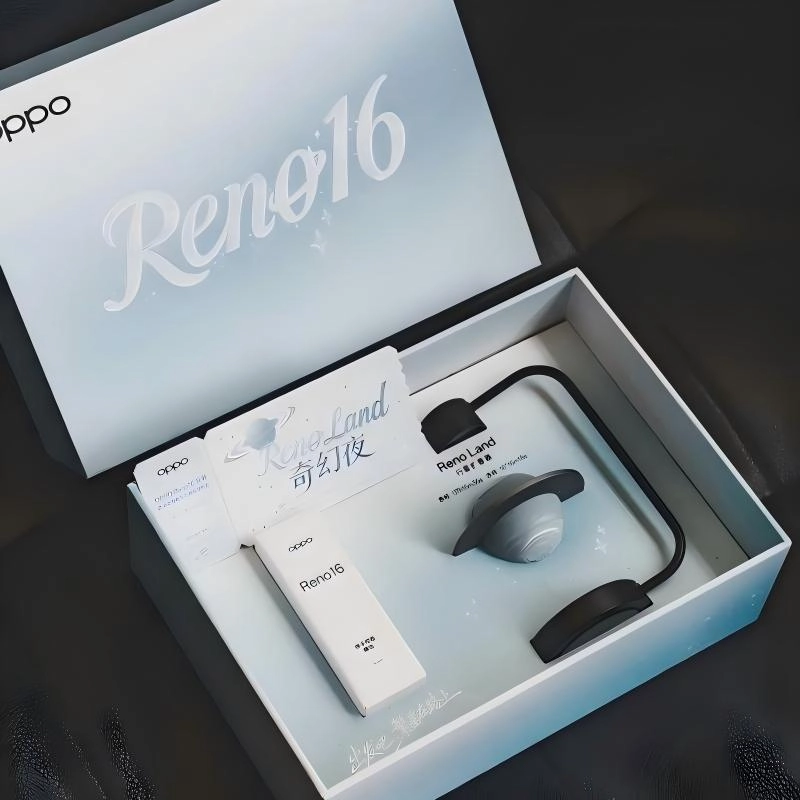
Modern buyers want to know more than what a product looks like.
Increasingly, procurement teams ask questions such as:
• Where were the materials sourced?
• Can the product be recycled?
• Is the fragrance refill replaceable?
• Does the manufacturer follow recognized quality standards?
• Can the supplier provide environmental documentation?
• Is the factory experienced in sustainable product development?
This shift reflects a broader move toward supply chain transparency across global manufacturing.
For OEM suppliers, providing clear technical documentation and demonstrating responsible production practices can strengthen customer confidence during the sourcing process.
Private-label brands are among the fastest adopters of sustainable product development.
Rather than launching generic fragrance products, many retailers now seek exclusive collections featuring:
• Unique material combinations
• Premium finishes
• Refillable systems
• Eco-friendly packaging
• Custom branding
• Story-driven product concepts
Sustainability helps these brands differentiate themselves in increasingly competitive markets while aligning with consumer expectations.
For OEM manufacturers, this creates opportunities to move beyond contract manufacturing and become collaborative product development partners.
Based on industry observations and discussions across the fragrance and home décor sectors, several consumer preferences are expected to shape future product development:
Consumers increasingly favor timeless products over highly decorative disposable accessories.
Products that combine fragrance, interior decoration, and premium craftsmanship appeal to consumers seeking greater value.
Long-lasting housings paired with replaceable fragrance inserts are expected to continue gaining popularity.
Concrete, wood, ceramic, cork, and recycled metals continue to attract consumers seeking authentic, tactile materials.
Packaging that minimizes unnecessary materials while maintaining a premium appearance is becoming an important purchasing factor.
The future of the car fragrance industry is unlikely to be defined by a single breakthrough material.
Instead, success will come from combining:
• Sustainable material selection
• Attractive industrial design
• High fragrance performance
• Durable construction
• Responsible manufacturing
• Transparent supply chains
Brands that integrate these elements into their product strategy will be better positioned to respond to changing regulations, evolving consumer expectations, and increasing competition in the global market.
The industry's transformation is no longer driven by environmental compliance alone.
It is being shaped by the intersection of:
• Consumer expectations
• Premium product design
• Supply chain transparency
• Regulatory developments
• Long-term brand strategy
For manufacturers and brand owners alike, sustainability is becoming a fundamental part of product innovation rather than a separate initiative.
At XIAMEN INNOCEM LUXURY CO., LTD., sustainability is not simply about replacing one material with another. In our experience, truly sustainable products begin with thoughtful design decisions made long before production starts.
After more than 16 years of OEM & ODM manufacturing for global fragrance brands, wholesalers, and private-label retailers, we've seen a clear shift in customer priorities. A decade ago, conversations typically focused on unit price, lead time, and appearance. Today, buyers increasingly ask broader questions:
• Can this product be refilled instead of replaced?
• Are the materials recyclable or responsibly sourced?
• Can the packaging be redesigned to reduce plastic?
• Will the product remain attractive after months or years of use?
• Can the same housing support different fragrance refills?
These questions reflect a wider change in how brands evaluate product value. Sustainability is becoming part of product quality—not an additional feature.
One of the most effective ways to reduce environmental impact is to extend a product's useful life.
Instead of designing disposable air fresheners, we increasingly help customers develop products with reusable structures that allow only the fragrance component to be replaced.
Examples include:
• Magnetic car vent diffusers with replaceable fragrance tablets
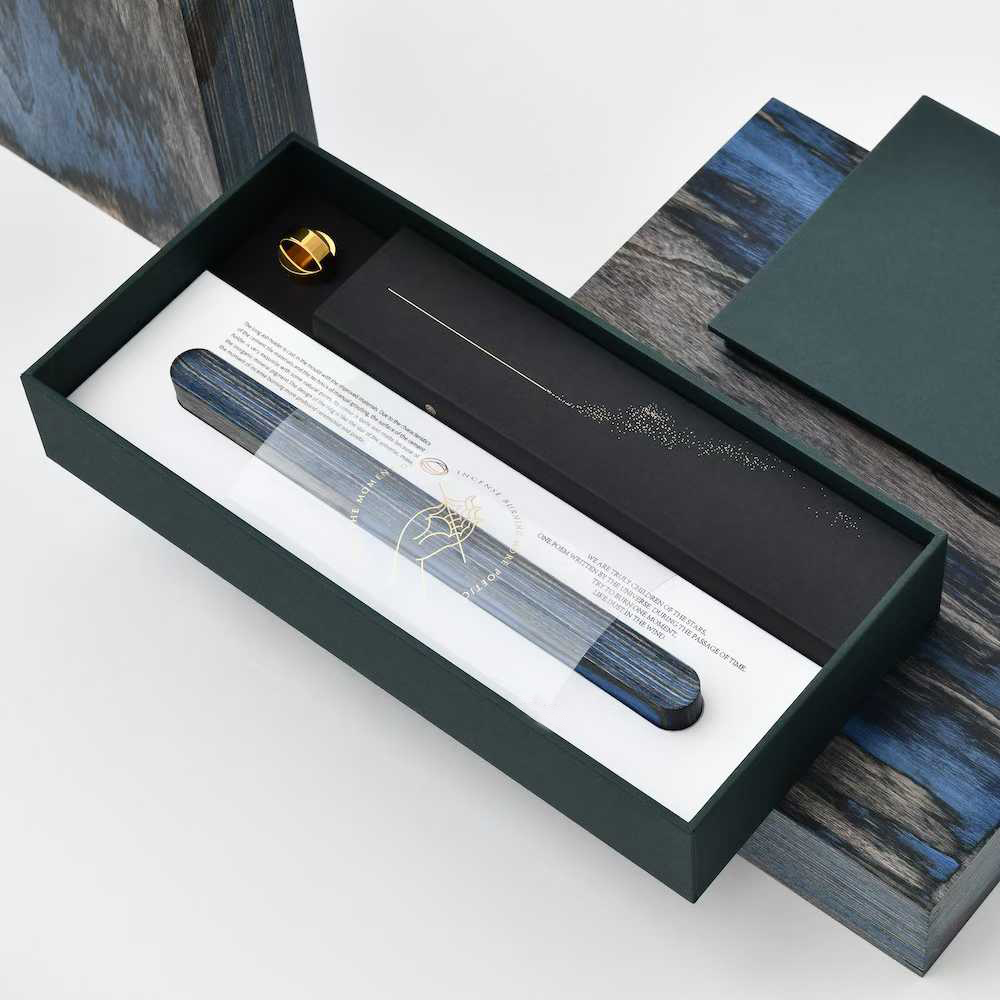
• Aluminum alloy housings designed for years of use
• Concrete aroma diffusers compatible with essential oil refills
• Decorative fragrance accessories that function as both interior décor and scent diffusers
This approach offers benefits beyond sustainability.
For consumers, it reduces waste while maintaining a premium user experience.
For brands, it creates opportunities for repeat purchases through refill programs rather than complete product replacement.
Choosing an environmentally responsible material is important—but selecting the right material for the intended application is even more important.
During product development, we evaluate materials based on multiple factors:
• Durability
• Fragrance compatibility
• Manufacturing efficiency
• Surface finish
• Consumer experience
• Transportation performance
• Long-term maintenance
• End-of-life considerations
For example:
Concrete offers excellent fragrance absorption and a distinctive natural appearance, making it ideal for decorative aroma products.
Aluminum provides exceptional precision, strength, and recyclability, making it suitable for premium automotive accessories.
Solid wood creates warmth and craftsmanship but requires careful material selection and moisture control during production.
Rather than recommending a single "best" material, we work with customers to identify the solution that best supports their brand positioning, target market, and pricing strategy.
One aspect of sustainability that is often overlooked is emotional durability.
Consumers are less likely to replace products they genuinely enjoy using.
This is why product aesthetics remain just as important as environmental performance.
Our design philosophy combines:
• Timeless styling
• High-quality materials
• Functional simplicity
• Replaceable fragrance systems
• Durable construction
When a car diffuser continues to look elegant after years of use, consumers are far more likely to purchase refill cartridges than discard the entire product.
In many cases, good industrial design is one of the most effective sustainability strategies available.
Another area where we have seen significant change is packaging.
Several years ago, premium packaging often meant larger boxes, multiple plastic inserts, glossy finishes, and decorative elements.
Today, many international buyers request packaging that is:
• Smaller and lighter
• Easier to recycle
• Made primarily from paper-based materials
• Optimized for shipping efficiency
• Designed with minimal waste
This does not mean compromising presentation.
Thoughtful structural design, premium paper textures, embossing, foil stamping, and carefully selected finishes can create an upscale unboxing experience while using fewer materials.
For OEM manufacturers, sustainable packaging design is becoming as important as the product itself.
Many sustainability goals cannot be achieved by changing materials alone.
Successful product development requires collaboration between:
• Product designers
• Material suppliers
• Mold engineers
• Manufacturing teams
• Packaging specialists
• Brand owners
By considering sustainability from the earliest design stage, brands can often reduce material consumption, simplify manufacturing, improve logistics efficiency, and enhance customer satisfaction at the same time.
This integrated approach generally delivers better long-term results than attempting to introduce sustainable materials after a product has already been designed.
Every brand has different priorities.
Some focus on premium aesthetics.
Others prioritize refillable systems.
Some seek lower-carbon packaging, while others are looking for exclusive product designs that differentiate them in competitive retail markets.
Our role as an OEM & ODM manufacturing partner is not to promote a single solution, but to help customers make informed decisions based on their business objectives.
This may include:
• Custom product design
• Material recommendations
• Prototype development
• Fragrance compatibility testing
• Packaging optimization
• Manufacturing feasibility analysis
• Quality assurance throughout production
By combining engineering expertise with market understanding, we help customers transform product concepts into commercially viable solutions.
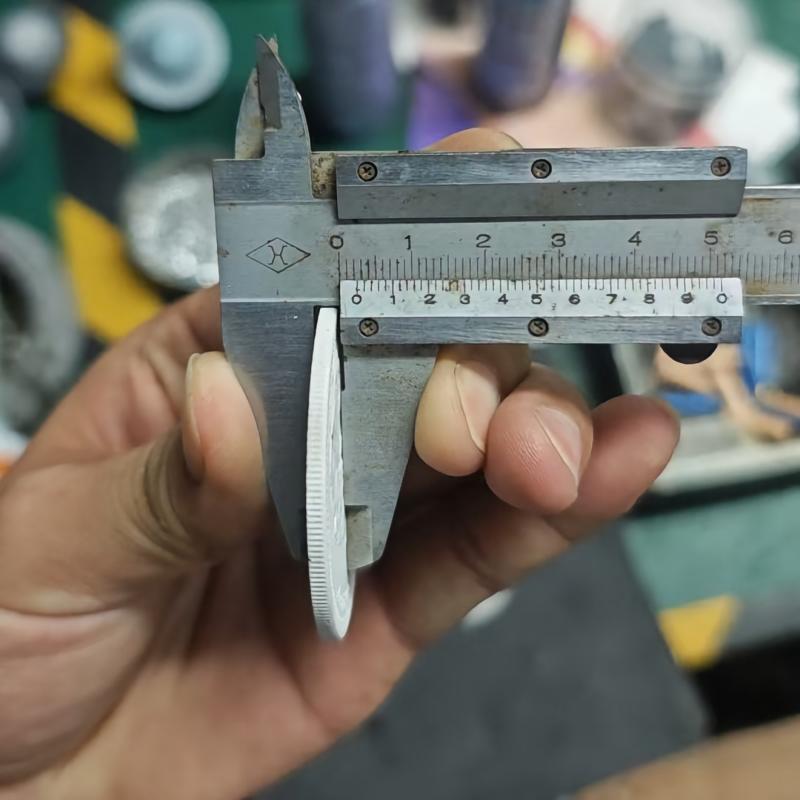
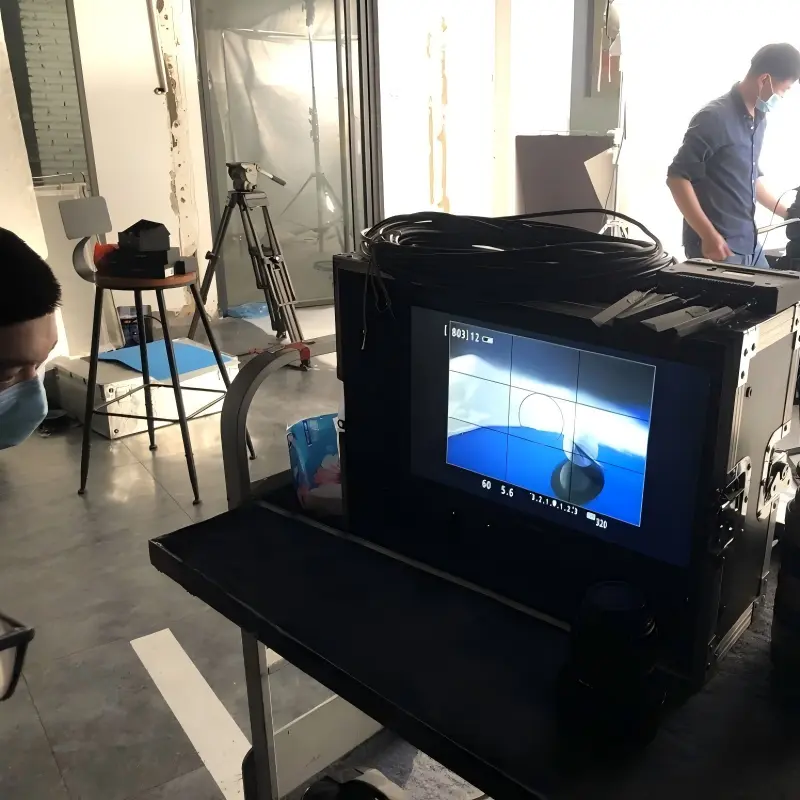
We believe the future of the car fragrance industry will not be defined by one revolutionary material or a single sustainability trend.
Instead, successful products will combine:
• Responsible material selection
• Long-lasting construction
• Refillable fragrance systems
• Efficient manufacturing
• Premium aesthetics
• Practical functionality
• Transparent supply chains
As consumer expectations continue to evolve, manufacturers will play an increasingly important role in helping brands turn sustainability goals into products that people genuinely value.
For us at INNOCEM, sustainability is ultimately about creating products that last longer, perform better, and provide lasting value—for our customers, their brands, and the end users who choose them every day.
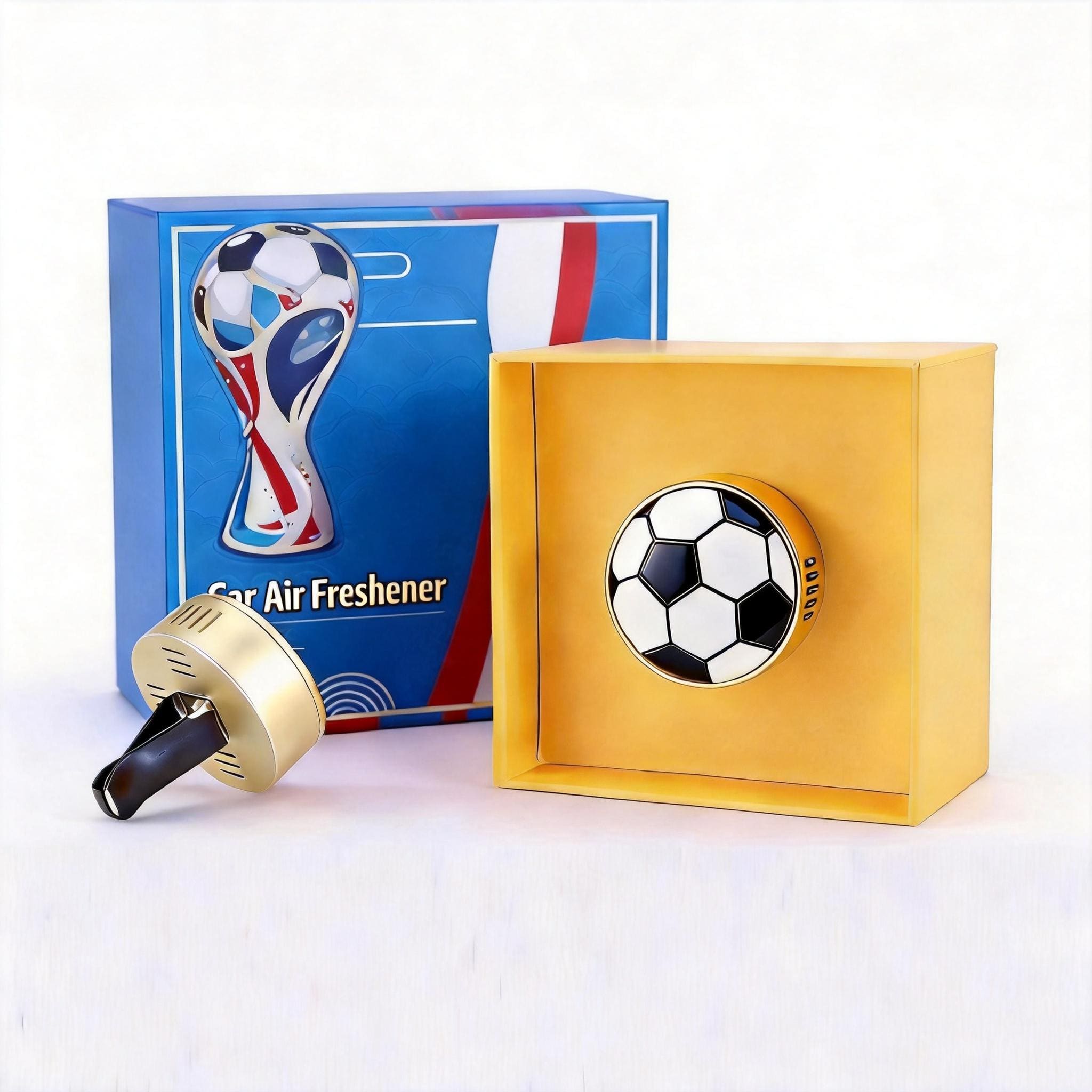
Here is a World Cup-themed car air freshener we customized for a US client for 2026. Featuring a stylish soccer-inspired design, this vent-mounted accessory impressively combines decorative appeal with fragrance functionality. It allows for easy replacement of scent pads, making it a hit among soccer fans. We helped the client achieve a full quarter's worth of sales in just one month.

Understanding the importance of sustainability is only the first step. The real challenge lies in turning sustainability goals into commercially successful products.
For many brands, this means balancing environmental responsibility with product quality, pricing, manufacturing feasibility, and consumer expectations.
Based on our experience working with OEM and ODM fragrance projects, the following practical considerations can help brands make better product development decisions.
Many products are marketed as "green," "natural," or "eco-friendly," but these terms alone do not necessarily indicate meaningful sustainability.
Instead of relying on marketing language, brands should ask practical questions such as:
• Is the product designed for long-term use?
• Can individual components be replaced instead of replacing the entire product?
• Are the materials recyclable in the target market?
• Does the packaging use unnecessary plastic?
• Can the manufacturer explain where materials come from?
A genuinely sustainable product should be supported by thoughtful design decisions—not just attractive wording on the packaging.
One of the most effective sustainability strategies is to consider the product's entire life cycle from the beginning.
Instead of asking:
"How can we make this product cheaper?"
consider asking:
"How can we make this product last longer?"
This shift often leads to better design decisions.
For example:
A refillable aluminum diffuser may have a higher initial production cost than a disposable plastic air freshener. However, because only the fragrance refill needs replacement, the product generates less waste while encouraging repeat purchases.
Over time, both consumers and brands can benefit from this approach.
Not every sustainable material is suitable for every brand.
The right material depends on your product strategy.
| Brand Positioning | Recommended Materials |
| Luxury Automotive Accessories | Aluminum Alloy, Stainless Steel, Solid Wood |
| Scandinavian / Minimalist | Concrete, Ceramic, Natural Wood |
| Wellness & Natural Lifestyle | Cork, Concrete, Essential Oil Diffusers |
| Entry-Level Retail | Recycled Plastics, Recycled Paper Packaging |
| Premium Gift Collections | Concrete + Wood + Recyclable Rigid Boxes |
Rather than selecting materials based solely on current trends, brands should consider how each material supports their long-term identity.
Many companies view refillable products simply as an environmental feature.
In reality, refill systems can also strengthen business performance.
Benefits include:
For Consumers
• Lower long-term ownership cost
• Less household waste
• More fragrance choices
• Better overall product value
For Brands
• Repeat sales through fragrance refills
• Higher customer retention
• Greater lifetime customer value
• Reduced pressure to constantly launch new hardware
Refillable systems represent one of the few sustainability initiatives that can simultaneously improve both environmental performance and commercial results.
Packaging often represents the first physical interaction customers have with your brand.
A premium sustainable product presented in excessive plastic packaging creates an inconsistent customer experience.
Instead, consider packaging that:
• Uses FSC-certified paper where appropriate
• Eliminates unnecessary plastic inserts
• Optimizes shipping volume
• Maintains premium visual appeal
• Clearly communicates sustainability efforts
Small improvements in packaging can significantly reduce material consumption across large production volumes.
Selecting the right manufacturing partner is just as important as selecting the right materials.
Rather than focusing only on unit price, consider asking potential suppliers questions such as:
• Can you develop refillable product structures?
• What sustainable material options do you recommend?
• Can you customize recyclable packaging?
• Do you have experience with international private-label brands?
• How do you evaluate material durability?
• Can you assist with product testing and prototype optimization?
• What quality control processes are in place?
A knowledgeable manufacturing partner should be able to explain the advantages and limitations of different material solutions—not simply provide quotations.
Many sustainability initiatives fail because brands focus on appearances rather than practical performance.
Some common mistakes include:
Not every plastic component should automatically be replaced.
Some applications require lightweight, impact-resistant materials for safety or performance reasons.
The goal is to reduce unnecessary plastic—not eliminate every plastic component regardless of function.
Consumers ultimately purchase products they enjoy using.
If an environmentally friendly product performs poorly, customers are unlikely to repurchase it.
Successful sustainable products balance:
• Fragrance performance
• Appearance
• Durability
• Ease of use
• Environmental responsibility
Choosing an innovative material is only valuable if it can be manufactured consistently, transported safely, and supplied reliably.
Brands should evaluate whether their chosen materials are commercially scalable before launching new product lines.
Modern consumers increasingly value products with meaningful narratives.
A car fragrance product made from responsibly sourced wood or designed with a refillable concrete diffuser offers more than functionality—it provides a story that reflects craftsmanship, thoughtful design, and long-term value.
These stories can strengthen brand identity across:
• Product packaging
• E-commerce listings
• Social media
• Retail displays
• Marketing campaigns
When supported by genuine product design, sustainability becomes part of the overall customer experience rather than simply a marketing message.
Before launching a new car fragrance collection, consider the following checklist:
✔ Is the product designed for long-term use?
✔ Can fragrance components be refilled or replaced?
✔ Are the primary materials durable and responsibly selected?
✔ Does the packaging minimize unnecessary waste?
✔ Is the product easy to recycle or disassemble where appropriate?
✔ Does the design align with your target customer?
✔ Can your OEM partner support future product improvements?
If the answer to most of these questions is "yes," your product is more likely to meet the expectations of today's environmentally conscious consumers.
Sustainability should not be treated as a standalone feature added at the end of product development.
Instead, it should guide decisions throughout the entire process—from material selection and industrial design to packaging, manufacturing, and customer experience.
Brands that approach sustainability strategically are better positioned to create products that remain competitive in an increasingly demanding global marketplace.
The transition toward sustainable materials is no longer a trend that only affects large multinational companies. It is reshaping expectations across the entire automotive fragrance industry—from independent brands and online retailers to distributors, importers, and private-label businesses.
For brands planning new product launches over the next few years, sustainability should not be viewed as a separate project. Instead, it should become an integral part of product development, supply chain planning, and long-term brand strategy.
The companies that begin adapting today will be better prepared to respond to changing regulations, evolving consumer preferences, and increasingly competitive markets.
Sustainability Is Becoming a Brand Differentiator
The car fragrance market is more competitive than ever.
Consumers can easily compare dozens of products online within minutes, making it increasingly difficult for brands to compete on price alone.
Sustainable product design offers a meaningful way to stand out.
Features such as refillable fragrance systems, premium natural materials, recyclable packaging, and thoughtfully engineered products communicate a commitment to quality and long-term value.
These characteristics help brands build stronger customer trust while creating a more distinctive market position.
Rather than asking customers to purchase another disposable accessory, sustainable products encourage them to invest in products designed to be used, appreciated, and refilled over time.
One misconception still exists in some markets—that environmentally responsible products must appear simple or inexpensive.
In practice, many of today's premium automotive fragrance products combine elegant industrial design with sustainable material choices.
Concrete, aluminum alloy, stainless steel, responsibly sourced wood, and ceramic all demonstrate that durability and environmental responsibility can coexist with premium aesthetics.
Consumers increasingly associate these materials with:
• Craftsmanship
• Authenticity
• Longevity
• Modern design
• Premium quality
For brands, sustainability is therefore becoming part of the premium experience rather than a compromise.
As sustainability becomes more deeply integrated into product development, the role of the OEM manufacturer is also changing.
Manufacturers are no longer expected to simply produce according to drawings.
Instead, they are increasingly expected to contribute expertise in:
• Material selection
• Structural optimization
• Sustainable packaging
• Manufacturing feasibility
• Product durability
• Cost optimization
• Regulatory awareness
Working with a manufacturing partner that understands both engineering and market trends can reduce development risks while improving product competitiveness.
Sustainable product development should be viewed as an investment rather than an additional cost.
While certain materials or refillable structures may involve a higher initial investment, they often create long-term advantages such as:
• Stronger customer loyalty
• Higher repeat purchase rates
• Improved brand reputation
• Reduced product replacement
• Greater resilience to changing regulations
• Enhanced perceived product value
Brands that focus exclusively on minimizing production costs may find it increasingly difficult to differentiate themselves in a market where consumers expect both quality and responsibility.
Although sustainable materials are reshaping the industry today, future innovation will likely extend even further.
Over the coming years, we expect continued development in areas such as:
Improved refill mechanisms that make replacing fragrance cartridges easier while reducing waste.
Greater adoption of renewable raw materials as manufacturing technologies mature.
Growing demand for product traceability and transparency, particularly within international supply chains.
Products designed from the beginning with repairability, refillability, and recyclability in mind.
Manufacturing processes that improve energy efficiency, reduce waste, and optimize material utilization.
Brands that begin exploring these developments today will be better positioned to adapt as market expectations continue to evolve.
Whether you are launching a new fragrance collection or updating an existing product line, a practical approach to sustainability may include:
Step 1: Review your current product portfolio and identify opportunities to reduce unnecessary materials.
Step 2: Evaluate whether refillable designs could enhance customer value.
Step 3: Consider upgrading packaging to recyclable or paper-based alternatives where appropriate.
Step 4: Work with experienced manufacturing partners to assess material options and production feasibility.
Step 5: Communicate sustainability efforts honestly and transparently, avoiding exaggerated environmental claims.
Progress does not require changing everything at once. Incremental improvements, when implemented consistently, often deliver the most sustainable long-term results.
Sustainability is no longer a future consideration—it is becoming an essential part of how successful car fragrance products are designed, manufactured, and experienced.
The brands that thrive in the years ahead are unlikely to be those offering the widest product range or the lowest prices. Instead, they will be the brands that combine thoughtful design, durable materials, responsible manufacturing, and authentic customer value.
At XIAMEN INNOCEM LUXURY CO., LTD., we believe sustainability is achieved through practical innovation rather than marketing promises. By focusing on product longevity, responsible material selection, refillable systems, and efficient manufacturing, we aim to help our partners create fragrance products that meet both today's expectations and tomorrow's opportunities.
For brands seeking long-term growth, sustainable design is not simply about protecting the environment—it is about building products that customers trust, value, and choose to use again and again.
Sustainable materials are materials selected to reduce environmental impact throughout a product's life cycle while maintaining performance and durability. In the car fragrance industry, common examples include aluminum alloy, stainless steel, responsibly sourced wood, concrete, ceramic, recycled paper packaging, and refillable fragrance systems.
Rather than focusing on a single material, many brands combine multiple sustainable solutions to improve both product quality and environmental performance.
The initial purchase price may be higher than disposable plastic alternatives because premium materials generally require more advanced manufacturing processes.
However, refillable products often reduce long-term ownership costs since consumers replace only the fragrance refill instead of purchasing an entirely new diffuser.
For brands, refill systems can also create recurring revenue opportunities while improving customer retention.
The answer depends on your target market and brand positioning.
Premium brands commonly choose:
• Aluminum alloy for precision and durability
• Concrete for minimalist aesthetics and fragrance diffusion
• Stainless steel for reusable diffuser systems
• Solid wood for natural luxury
• Ceramic for decorative fragrance accessories
Each material offers different advantages in terms of appearance, performance, manufacturing, and sustainability.
Refillable products reduce waste while improving customer convenience.
Instead of replacing the entire diffuser, users only replace the fragrance insert, aroma tablet, or essential oil refill.
This approach extends product lifespan, reduces material consumption, and supports a more circular product model.
Brands should request supporting documentation from suppliers whenever appropriate.
Examples include:
• FSC® certification for wood and paper products
• Material specifications
• Environmental management certifications (such as ISO 14001)
• Supplier sustainability policies
• Product testing documentation
Transparency throughout the supply chain helps brands make more informed sourcing decisions.
Beyond manufacturing capacity and pricing, brands should evaluate:
• Experience with sustainable product development
• Material expertise
• Packaging customization capabilities
• Product engineering support
• Quality control systems
• Prototype development
• International export experience
A collaborative OEM partner can often contribute valuable technical and commercial insights during product development.
Yes.
Many consumers associate recyclable, minimal, and thoughtfully designed packaging with higher product quality and stronger environmental responsibility.
Sustainable packaging also supports regulatory compliance and can reduce transportation costs through lighter, more efficient designs.
Several long-term trends are expected to influence future product development:
• Refillable fragrance systems
• Premium natural materials
• Circular product design
• Responsible sourcing
• Supply chain transparency
• Sustainable packaging
• Bio-based materials
• Smarter manufacturing technologies
Brands that begin integrating these trends today are likely to be better positioned for future market developments.
Lina Zhang
Senior Product Specialist | OEM & ODM Fragrance Manufacturing
Lina Zhang has over 12 years of experience in fragrance product development, industrial design, and OEM/ODM manufacturing. She specializes in car air fresheners, essential oil diffusers, concrete home décor, incense holders, and premium fragrance packaging.
Working closely with international distributors, retailers, and private-label brands, she helps transform product concepts into commercially successful fragrance collections by combining sustainable materials, practical engineering, and market-oriented product design.
Whether you're developing a premium car air freshener, essential oil diffuser, concrete home décor collection, or custom fragrance packaging, XIAMEN INNOCEM LUXURY CO., LTD. provides comprehensive OEM & ODM manufacturing solutions tailored to your brand.
With over 16 years of manufacturing experience, we help customers worldwide develop products that combine innovative design, premium craftsmanship, sustainable materials, and efficient production.
Our services include:
• Custom product design
• Material recommendations
• Mold development
• Fragrance compatibility solutions
• Packging customization
• Private-label manufacturing
• Quality assurance
• Global export support
Whether you're launching a new fragrance brand or expanding an existing product line, our team is ready to support your next project.
Contact us today to discuss your ideas, request samples, or explore custom manufacturing solutions.
International Fragrance Association (IFRA)
Sustainability initiatives, fragrance safety standards, responsible sourcing and industry guidance.
https://ifrafragrance.org/
Research Institute for Fragrance Materials (RIFM)
Scientific research supporting the safe use of fragrance materials.
https://rifm.org/
European Commission – Circular Economy Action Plan
https://environment.ec.europa.eu/
European Commission – Packaging and Packaging Waste Regulation (PPWR)
https://environment.ec.europa.eu/
United States Environmental Protection Agency (EPA)
Sustainable Materials Management Program.
https://www.epa.gov/
United Nations Sustainable Development Goals (SDGs)
Responsible Consumption and Production (Goal 12).
https://sdgs.un.org/goals
Forest Stewardship Council (FSC®)
https://fsc.org/
Programme for the Endorsement of Forest Certification (PEFC)
https://pefc.org/
ISO 14001 Environmental Management Systems
https://www.iso.org/
Grand View Research – Automotive Air Freshener Market
Fortune Business Insights – Car Air Freshener Market
MarketsandMarkets – Automotive Fragrance Industry
Mordor Intelligence – Automotive Air Freshener Market

 EN
EN